CO2 Fractional Laser vs MNRF Machine: Benefits, Differences & Clinic Guide
CO2 fractional laser resurfaces skin from the surface downward, while microneedling radiofrequency (MNRF) delivers controlled heat within the dermis through fine needles. This practical guide compares their benefits, recovery profiles, clinic requirements and patient-selection factors.
Quick answer: CO2 fractional laser vs MNRF
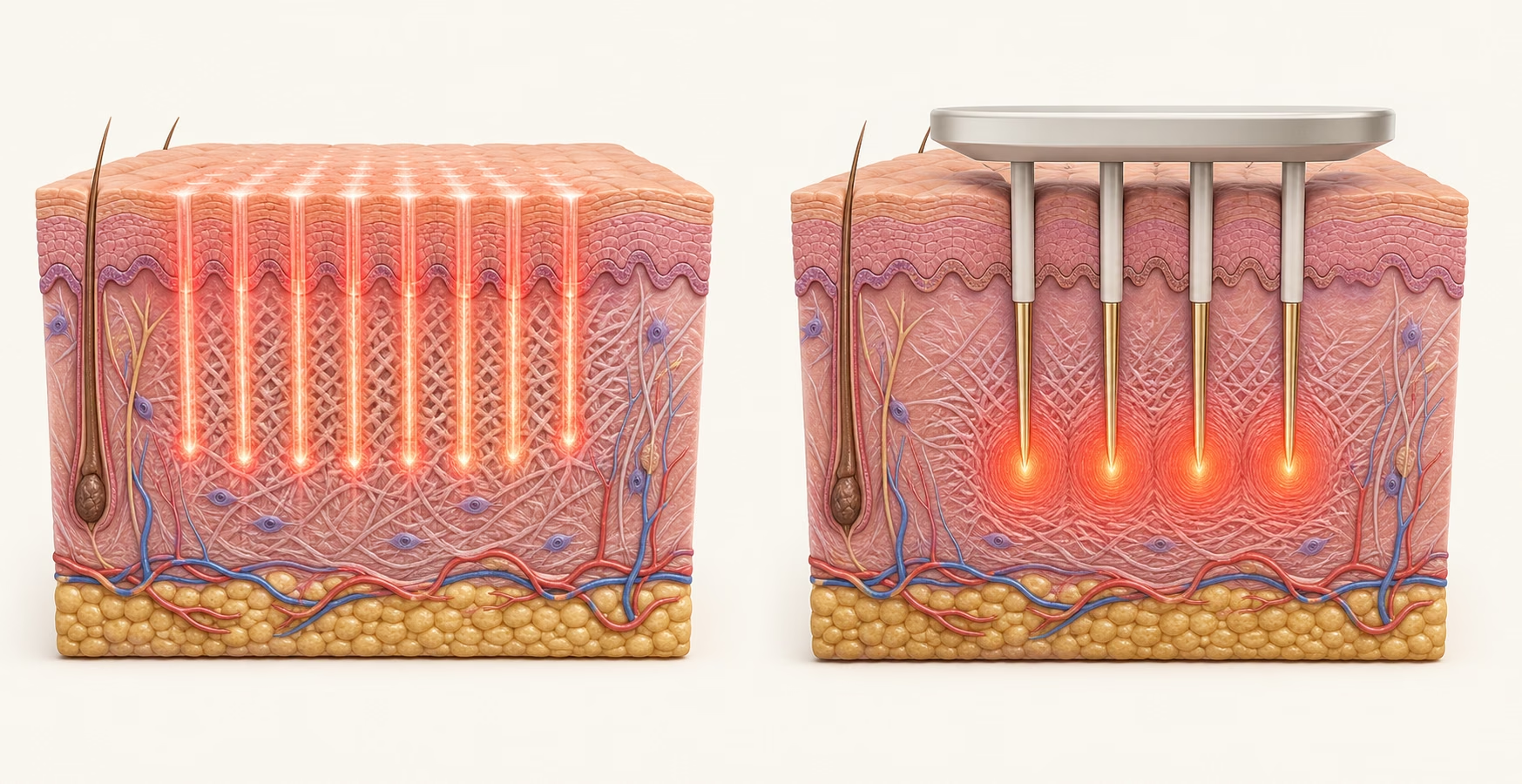
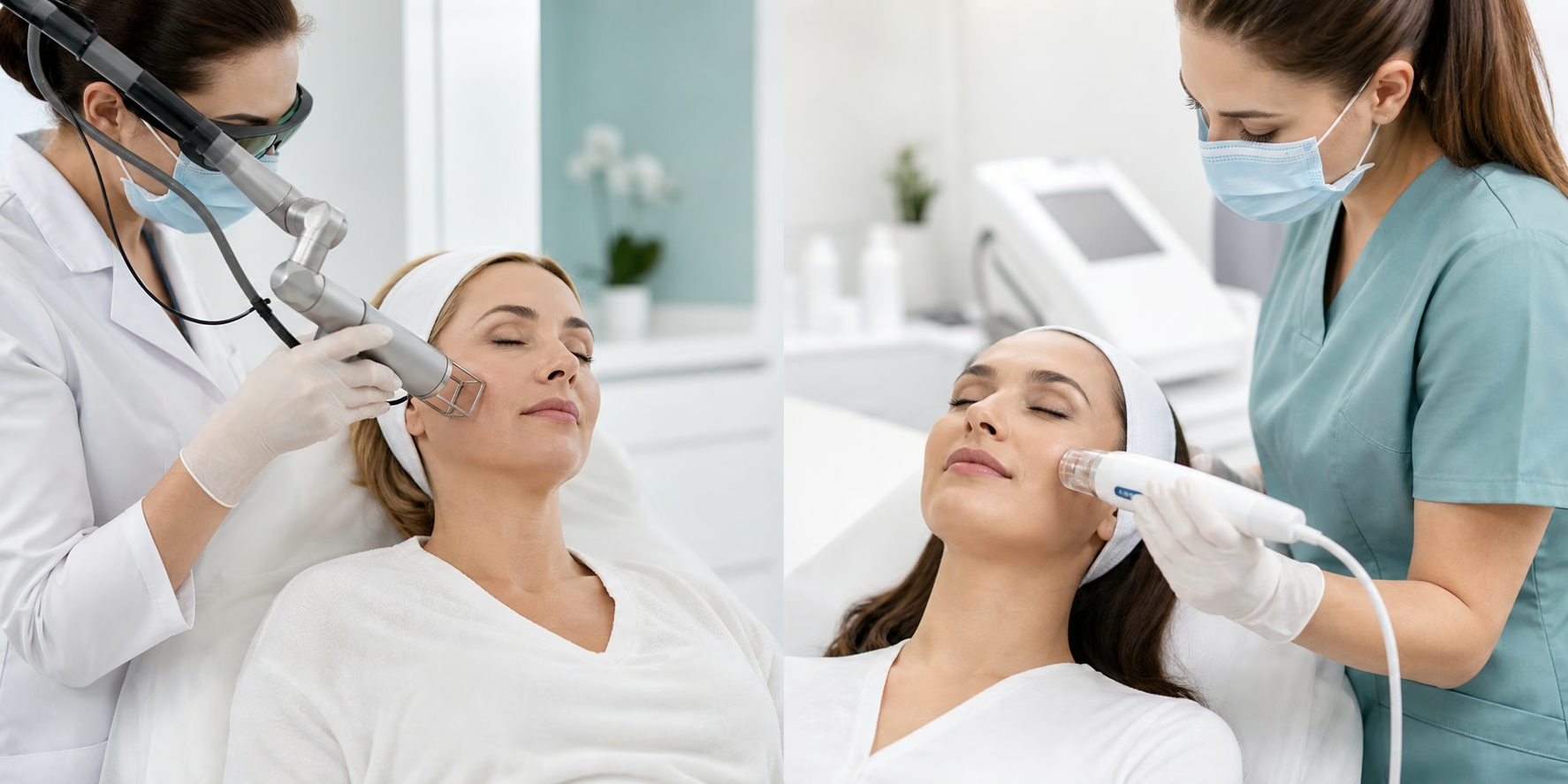
CO2 fractional laser resurfaces from the skin surface downward, while microneedling radiofrequency (MNRF) places controlled heat at selected dermal depths through fine needles. Both can support collagen remodeling and improve selected acne scars, but they differ in recovery, patient selection and clinic workflow.
How a CO2 fractional laser works
A fractional CO2 laser uses 10,600 nm energy that is strongly absorbed by water in the skin. Its scanner creates microscopic columns of ablation and heat, leaving untreated tissue between columns to support healing.
Benefits for patients
- Strong resurfacing for rough texture and appropriately selected atrophic acne scars.
- Can improve the appearance of fine lines, enlarged-looking pores and certain scars.
- Settings can be tailored by a qualified operator to the treatment goal.
Benefits for clinics
- A versatile resurfacing platform for clinics with medical oversight and laser expertise.
- Controlled coverage, density and pattern selection through fractional scanning.
- Suitable for patients seeking more intensive resurfacing who accept a more noticeable recovery.
Considerations: Because treatment disrupts the epidermal surface, redness, swelling, crusting or oozing may occur. Pigment change, infection, prolonged redness and scarring are possible. Careful pigment-risk assessment is especially important for darker skin tones.
How an MNRF machine works
MNRF uses a sterile cartridge of fine needles to enter the skin at a programmed depth and deliver radiofrequency energy into the dermis. Mechanical channels and localized heat zones trigger a remodeling response. Needle insulation, energy type, depth control and pulse design vary by device.
Benefits for patients
- Targets the dermis at adjustable depths with relatively limited surface ablation.
- Commonly used for atrophic acne scars, texture, pores and supported tightening indications.
- Often has less crusting and a shorter visible recovery than ablative fractional CO2 treatment.
- May be considered across a wider range of skin tones, although pigment changes are still possible.
Benefits for clinics
- Adjustable depth helps tailor treatment to facial zones and scar depth.
- A shorter visible recovery can suit patients who cannot accommodate intensive resurfacing downtime.
- Protocols can be standardized around cartridge, depth, pulse, power, passes and endpoints.
Considerations: MNRF can be uncomfortable even with numbing. Pinpoint bleeding, redness, swelling, track marks, infection, burns, pigment change and scarring are possible. Sterile single-use cartridges must never be reused.
Key differences at a glance
FactorCO2 fractional laserMNRFEnergy10,600 nm laser absorbed by waterRadiofrequency delivered through needlesMain actionFractional ablation plus thermal coagulationMechanical channels plus dermal heatingSkin entrySurface downwardEnergy placed at selected depthsResurfacingMore pronounced at the surfaceGenerally less surface ablationVisible recoveryUsually more redness, crusting and aftercareOften less crusting and faster visible recoveryPigment riskParticular caution in PIH-prone or darker skinOften chosen to limit epidermal heat exposure; PIH still possibleConsumablesDevice-specific optics or tips; plume-control suppliesSterile single-use needle cartridgesClinic setupLaser safety, eyewear and plume managementSharps protocols and RF-specific trainingThese are general patterns, not guarantees. Device design and settings can change the experience substantially.
Which machine makes more sense for a clinic?
Choose according to patient mix, operator competence and infrastructure—not only the machine category. A clinic seeing patients with deeper texture concerns who accept longer recovery may value CO2 resurfacing. A clinic serving patients who prioritize less visible downtime, adjustable dermal depth or greater pigment caution may find MNRF fits more appointments.
Before purchase, compare:
- Local regulatory status and permitted indications.
- Energy consistency, depth accuracy and handpieces or cartridges.
- Training, warranty, preventive maintenance and service response.
- Consumable cost and reliable supply.
- Protective equipment, smoke evacuation and sharps disposal.
- Consent, photography, aftercare and complication-management systems.
No machine treats everyone. Clinics need a qualified professional who can diagnose scar type, exclude contraindications, select conservative settings and manage adverse events.
Which treatment may suit a patient?
Fractional CO2 may be discussed when surface resurfacing is a priority, the patient accepts a more visible healing period, and the clinician considers the pigment-risk profile appropriate.
MNRF may be discussed when adjustable dermal remodeling and less surface disruption are priorities, or when the clinician wishes to limit epidermal heat exposure.
Neither option is automatically suitable during active infection, uncontrolled inflammatory skin disease or when medical history suggests impaired healing. A clinician should review medicines, previous procedures, tendency to pigment or scar, pregnancy status where relevant, and expectations.
What does the evidence say?
Direct comparisons do not support a universal winner. In a 2023 randomized split-face trial of 15 patients with moderate-to-severe acne scars, one treatment with ablative fractional laser and MNRF produced similar median texture improvement at three months. Fractional laser caused more pronounced local skin reactions and temporary loss of skin integrity, while MNRF was rated as more painful in that study. The small sample and protocol differences mean the result should not be generalized to every device or patient. Read the study on PubMed.
Can a clinic offer both?
Yes. The technologies can complement each other because one emphasizes surface-down resurfacing while the other places energy at selected dermal depths. Some patients may benefit from a staged plan; others need only one modality or a different treatment. Combination treatment should be planned by an experienced clinician.
Frequently asked questions
Which has less downtime?
MNRF often has a shorter visible recovery than ablative fractional CO2, but redness and swelling can occur with either.
Which is better for acne scars?
Both may improve atrophic acne scars. Rolling, boxcar and ice-pick scars often require different or combined approaches, so an in-person assessment is essential.
Is MNRF always safer for darker skin?
No. MNRF is often considered when epidermal heat and PIH are concerns, but burns, pigment changes and scars remain possible.
How many sessions are needed?
There is no responsible one-size-fits-all number. Scar severity, settings, healing response and goals determine the plan.
Bottom line
Fractional CO2 offers more direct surface resurfacing with a typically more intensive recovery. MNRF delivers RF energy at adjustable dermal depths and often has less visible surface downtime. For a clinic, the right investment depends on demand, skill, safety infrastructure, consumables and support. For a patient, the right treatment depends on diagnosis, skin type, pigment risk, pain and downtime tolerance, and realistic goals.
Beauty Enrich can help clinics compare device specifications, training requirements and after-sales support. Contact our team for a device-specific consultation.
Medical disclaimer: This article is for general education and equipment planning. It does not replace diagnosis, medical advice, hands-on training or a device’s instructions for use. Treatments should be performed only by appropriately qualified professionals under local regulations.